Introduction
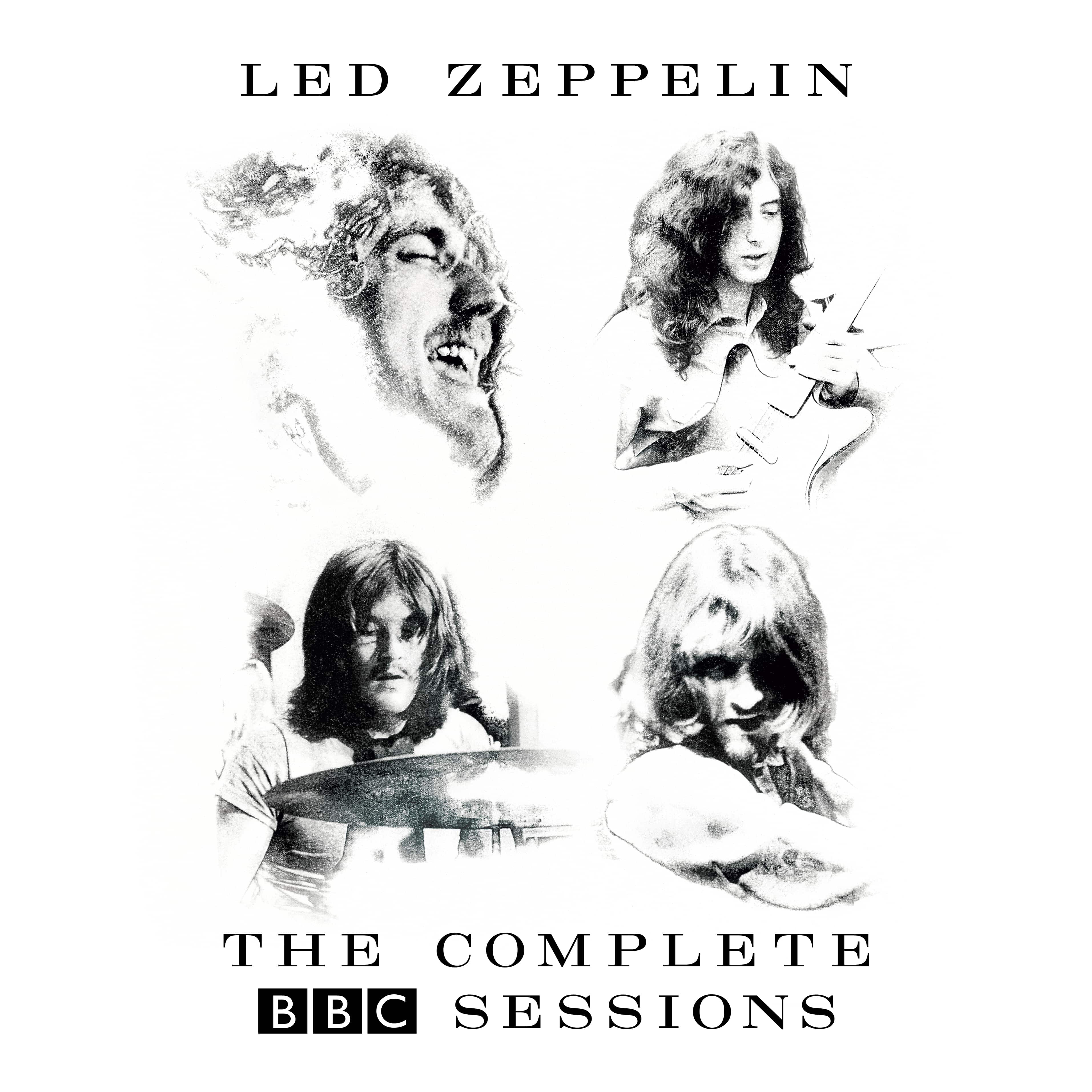
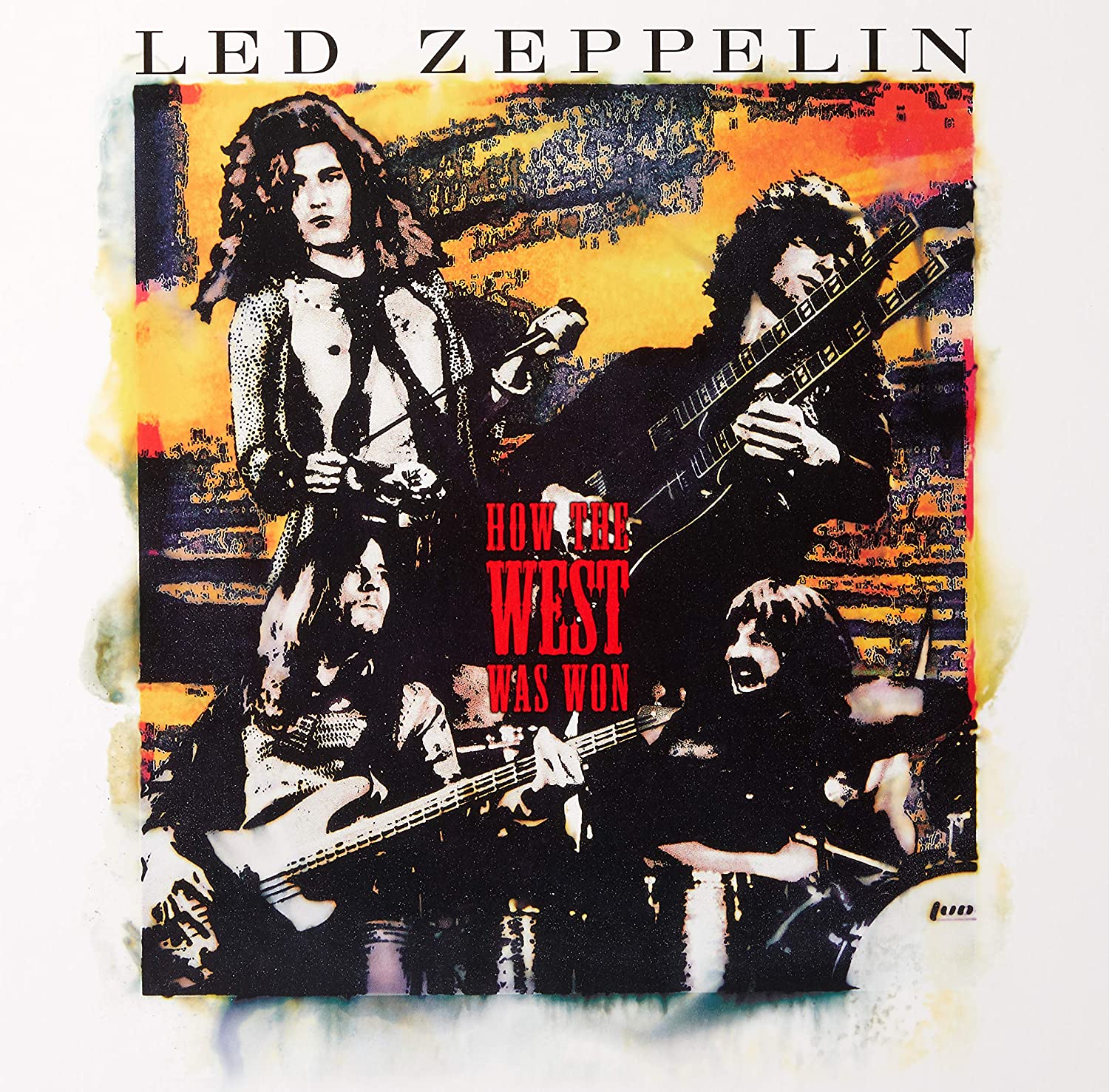
Led Zeppelin were an English rock band formed in London in 1968. The group comprised vocalist Robert
Plant, guitarist Jimmy Page, bassist and keyboardist John Paul Jones, and drummer John Bonham. With
a heavy, guitar-driven sound, they are cited as one of the progenitors of hard rock and heavy metal,
although their style drew form a variety of influences, including blues and folk music. Led Zeppelin
have been credited as significantly impacting the nature of the music industry, particularly in the
development of album-oriented rock and stadium rock.
Led Zeppelin are one of the best-selling music artists of all time; their total record sales are
estimated to be between 200 and 300 million units worldwide. They achieved eight consecutive UK
number-one albums and six number-one albums on the US Billboard 200, with five of their albums
certified Diamond in the US. Rolling Stone magazine described them as "the heaviest band of all
time", "the biggest band of the Seventies", and "unquestionably one of the most enduring bands in
rock history". They were inducted into the Rock and Roll Hall of Famin 1995; the museum's biography
of the band states that they were "as influential" during the 1970s as the Beatles were during the
1960s.
History
Led Zeppelin formed as a "supergroup" in 1968, set up by former Yardbirds guitarist Jimmy Page. They
were originally going to be called The New Yardbirds until The Who's drummer Keith Moon remarked
they would go down like a "lead zeppelin".
Page's first choice for singer, Terry Reid, declined the offer but recommended Robert Plant, who in
turn roped in his mate John Bonham on drums. When bassist Chris Dreja opted out of the project to
become a photographer, he suggested his mate John Paul Jones, and the line-up was complete.
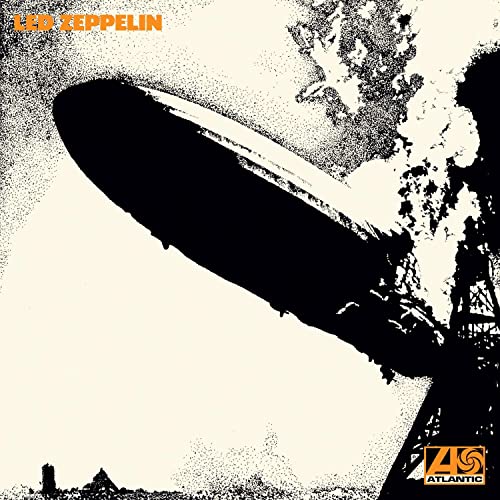
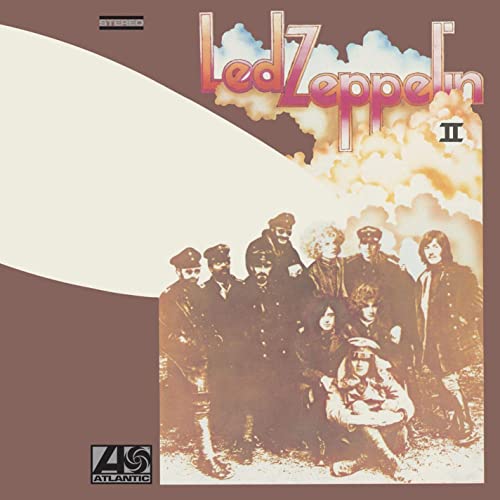
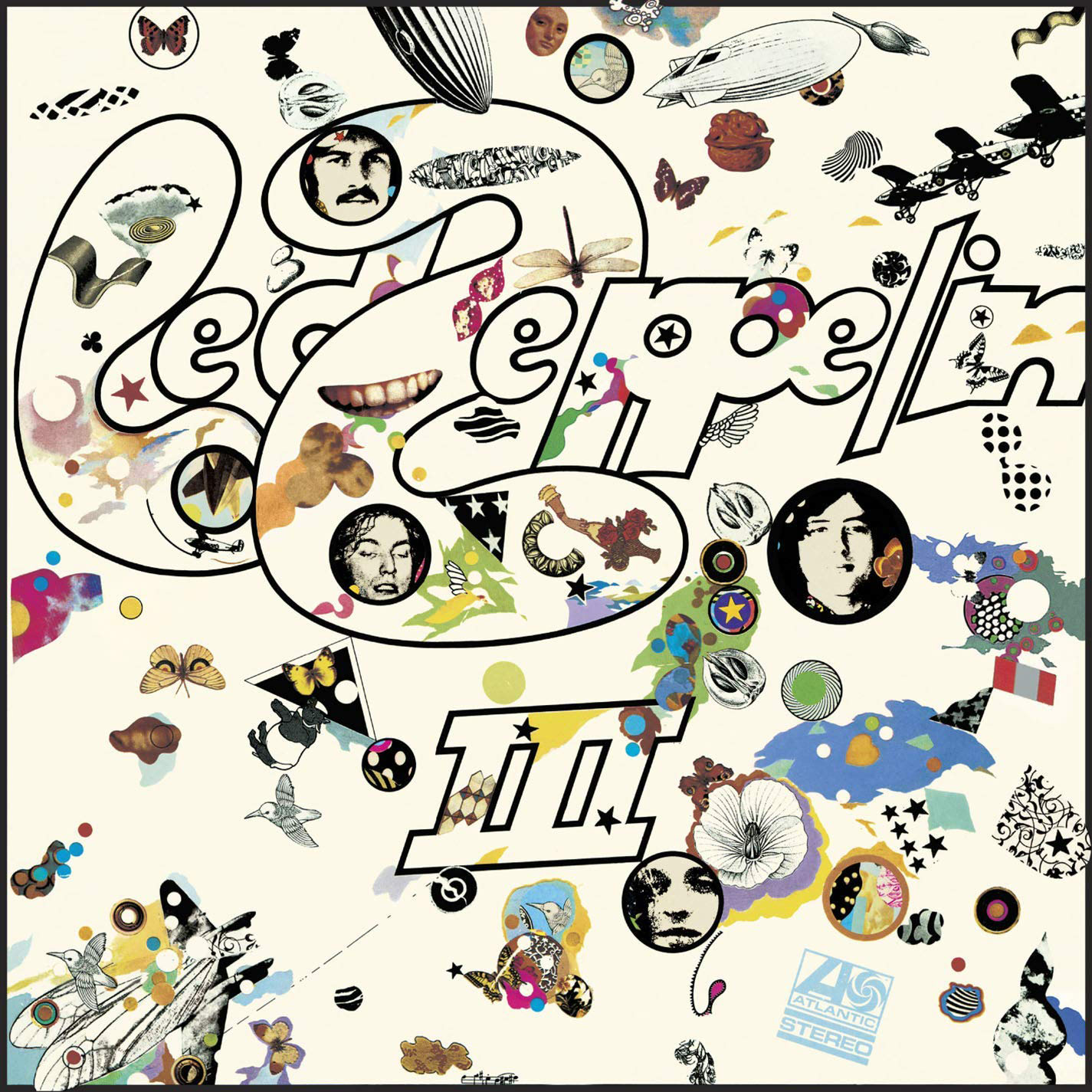
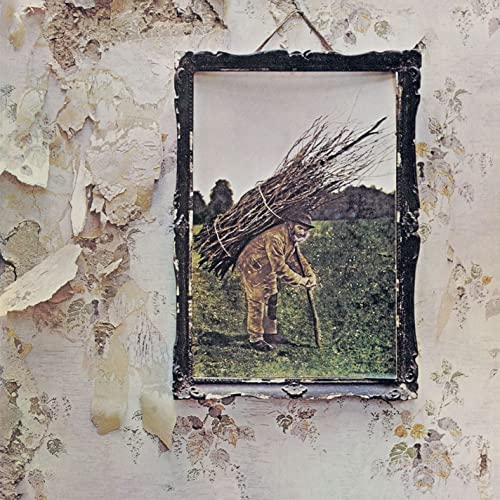
The band's first four albums - "Led Zeppelin", "Led Zeppelin II", "Led Zeppelin III" and "IV (Four
Symbols)" - are all seen as rock classics, mixing blues, folk and eastern influences and making them
increasingly huge, especially in the US and the UK. The band and their manager, Peter Grant,
maintained an agressive pro-album stance - though some singles were released without their consent.
The group also increasingly resisted television appearences, enforcing their preference that their
fans hear and see them live in person. This resulted in them becoming a massive live draw.
As well as their music, the band became notorious for their offstage excesses as noted in Steven
Davis' unauthorised autobiography "Hammer Of The Gods". As well as all the usual stuff, such as drug
use and TVs being thrown out of windows, there were darker episodes, such the infamous "shark
incident", explained further here.
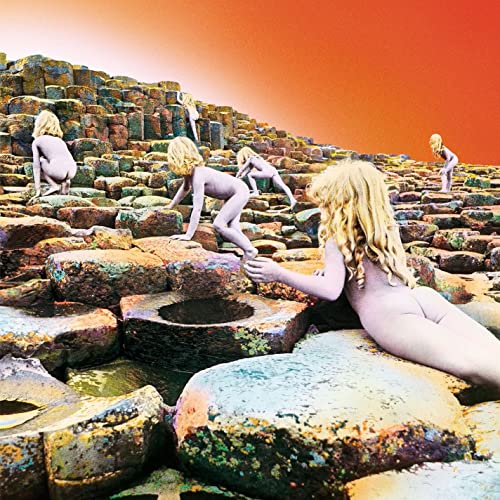
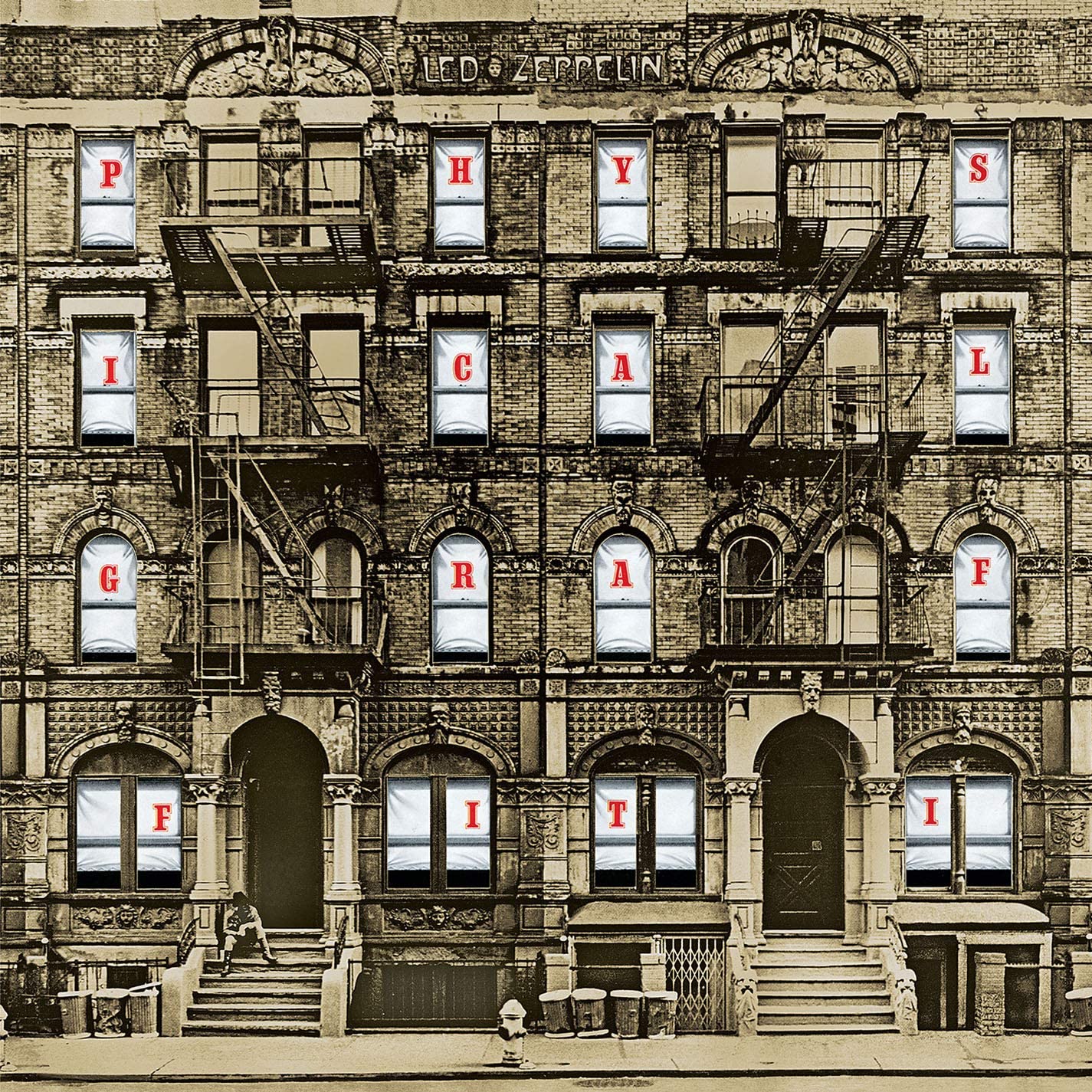
Between 1971 and 1975 Led Zeppelin could justifiably claim to be the biggest band in the world, and
the world's premiere live draw. Further albums - "Houses of the Holy" and the double "Physical
Graffiti" (widely thought to be their best) cemented their success.
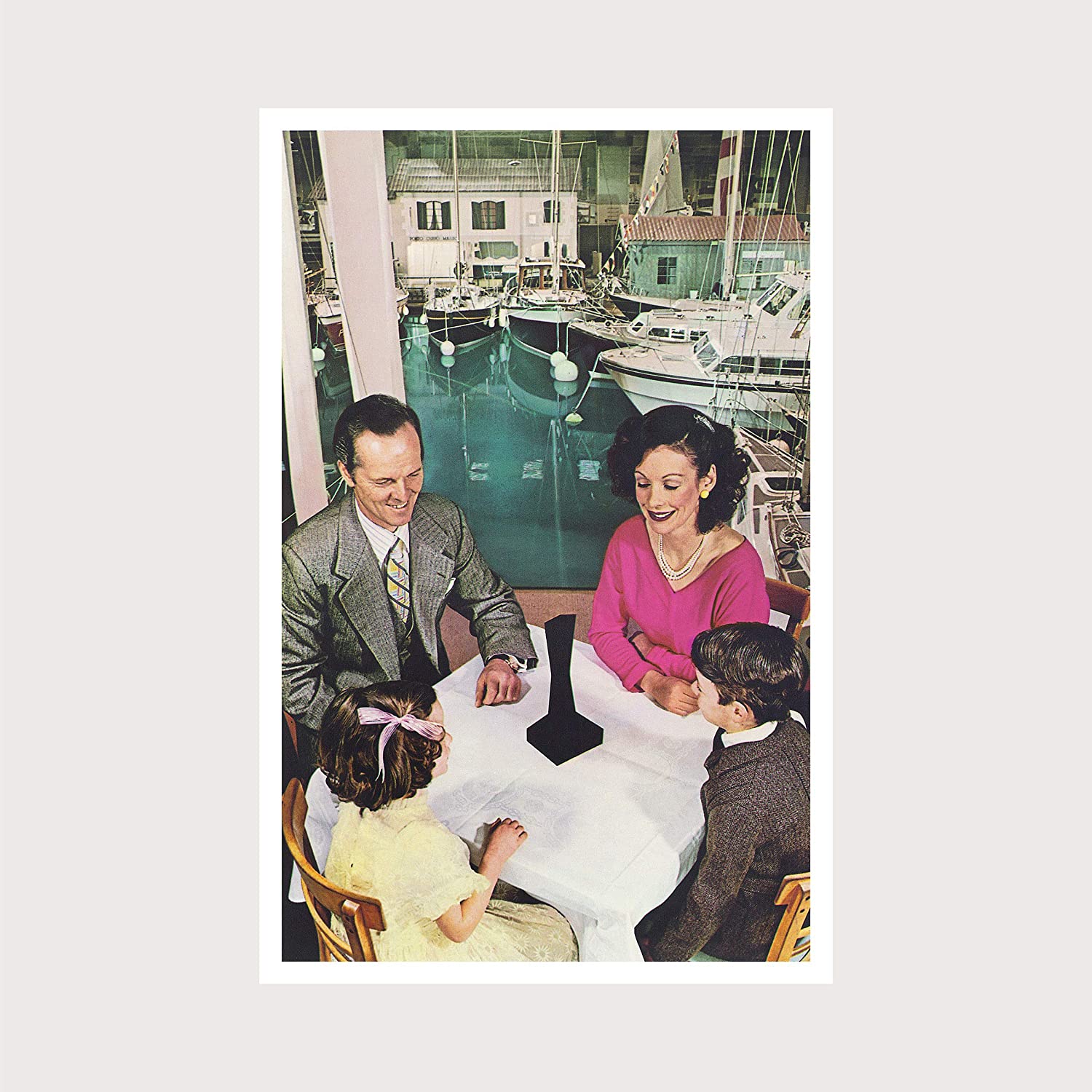
Between 1976 and 1980, things got darker for the Zep. Although albums such as "Presence" and "In
Through the Out Door" still sold shedloads, Robert Plant was seriously injured in a car crash, and
infant son Kai died of a chest infection. Jimmy Page was dabbling with heroin, and John Bonham was
an alcoholic. The end came in September 1980, when Bonham died at Page's house aged 32 after choking
on his own vomit following a drink binge.